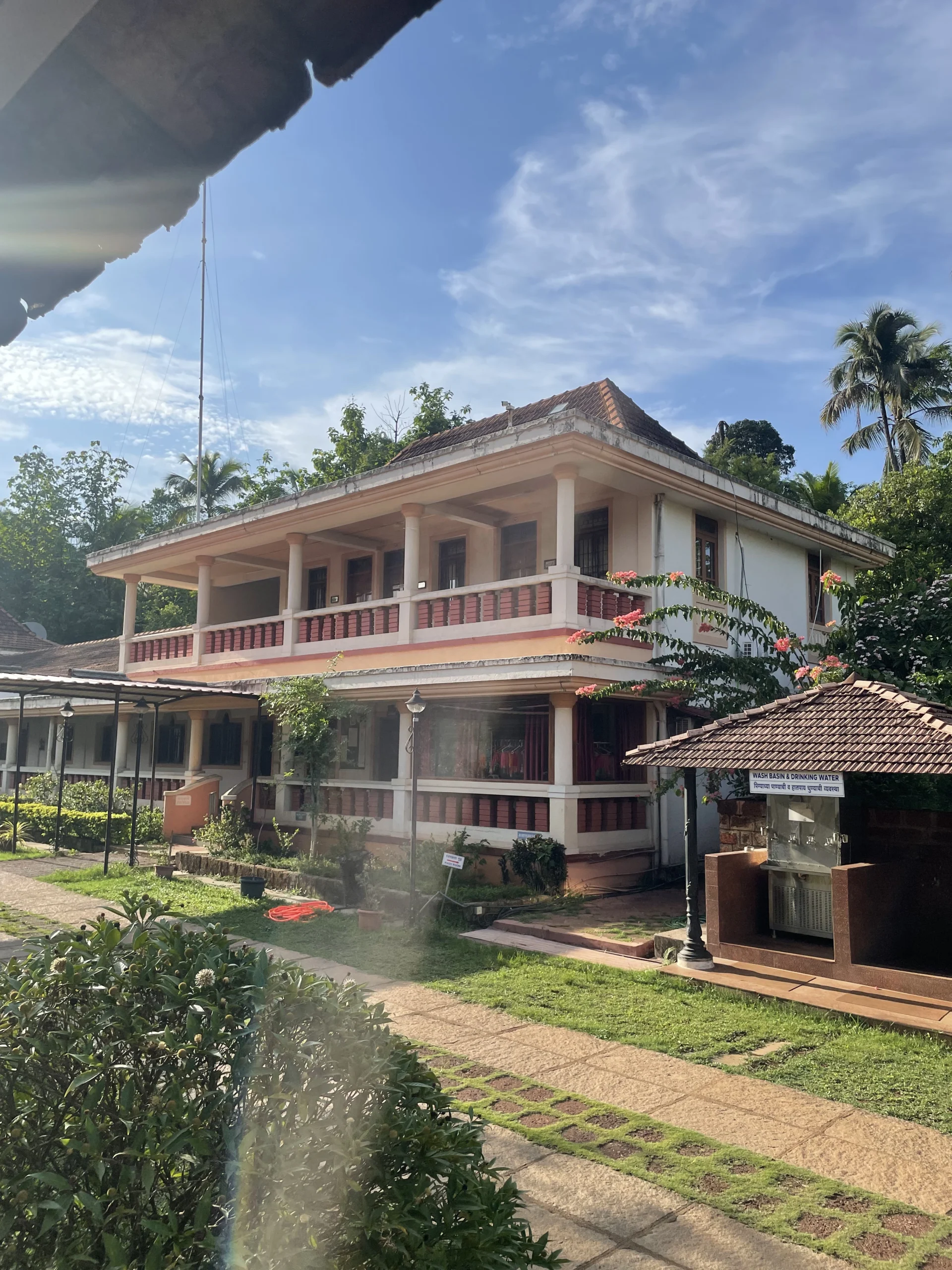
About
Know more about Sri Viajayadurga Temple, Keri
History
The temple has its origin at Sancoale in Salcete Taluka. The Portuguese onslaught on the temples of Goa forced the devotees to flee with their idols to a secure place that accommodated their faith and Ponda was the nearest such place.
It is said that the Saraswats who migrated with the idol of the goddess from Sancaole halted at the Madhava temple in Agapur. Located on the banks of Zuari or Aghanashini. They had decided to build a temple in the vicinity, but due to the predictions divined by the oracle, the Idol had to be shifted to Keri.
Temple at Keri was built in 1560. In 1797 the present Mandan of the temple was built and in 1819 came the Nagarkhana. The deepastambha and all other facilities were built subsequently.
Temple Structure
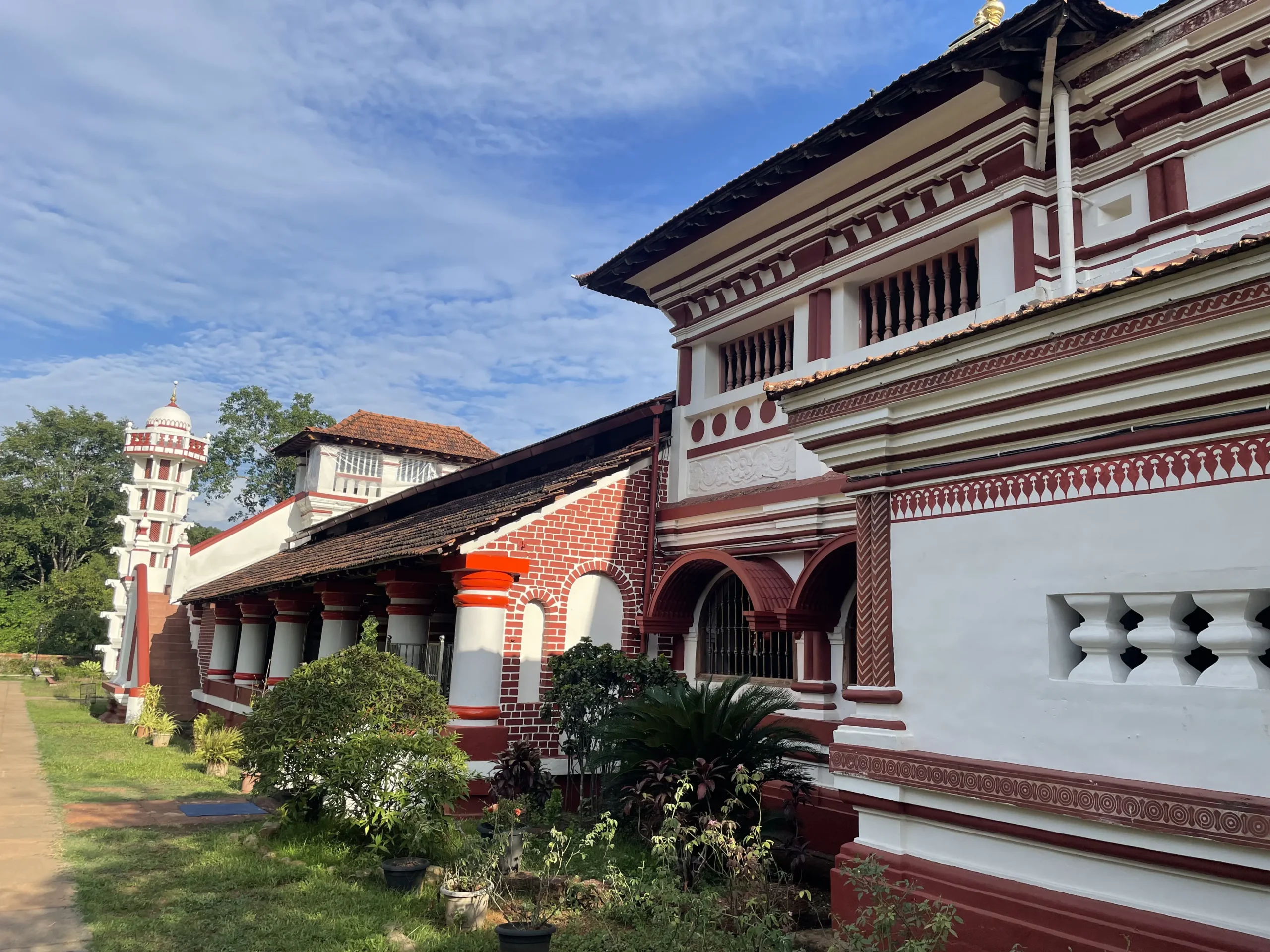
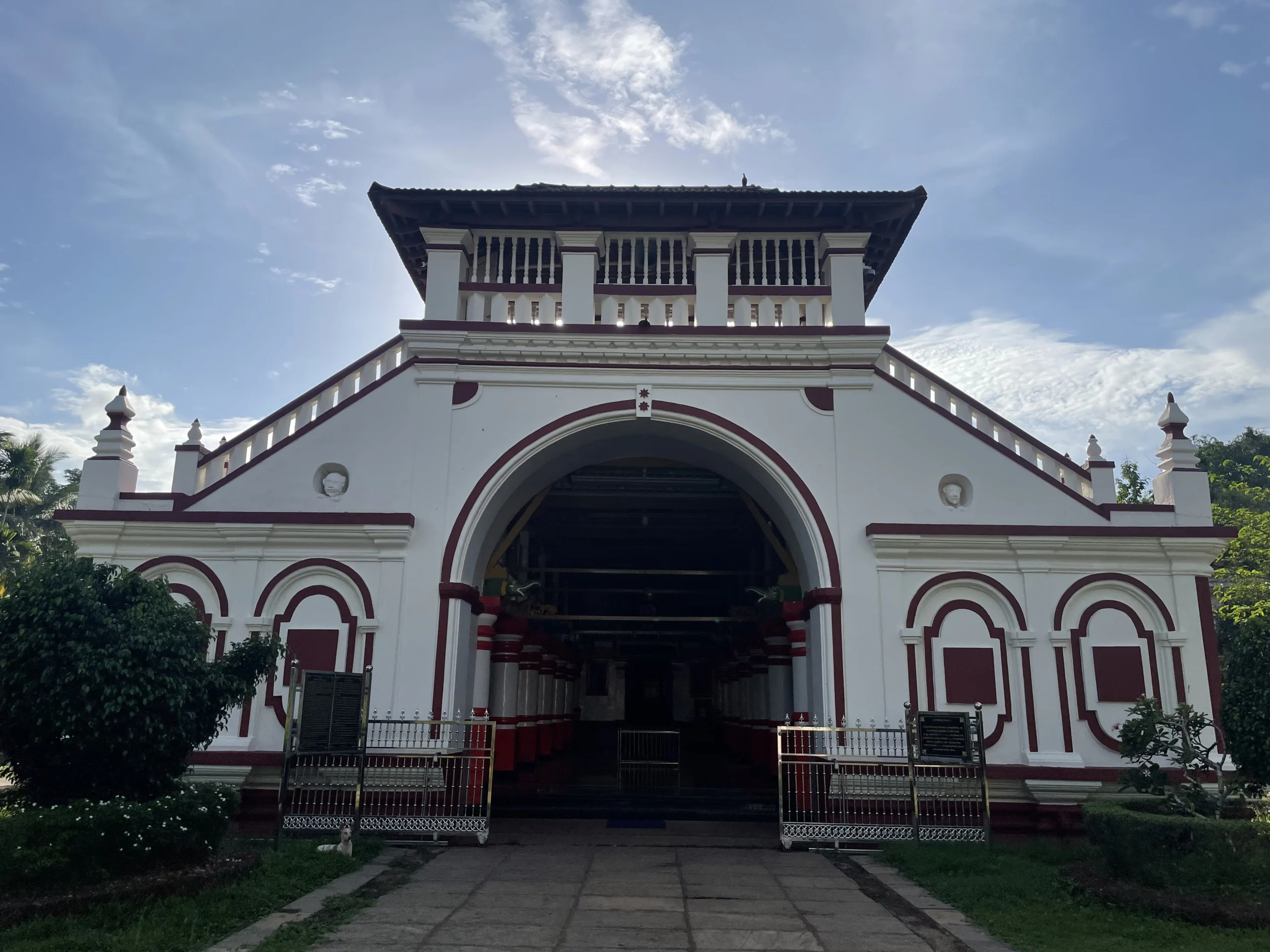
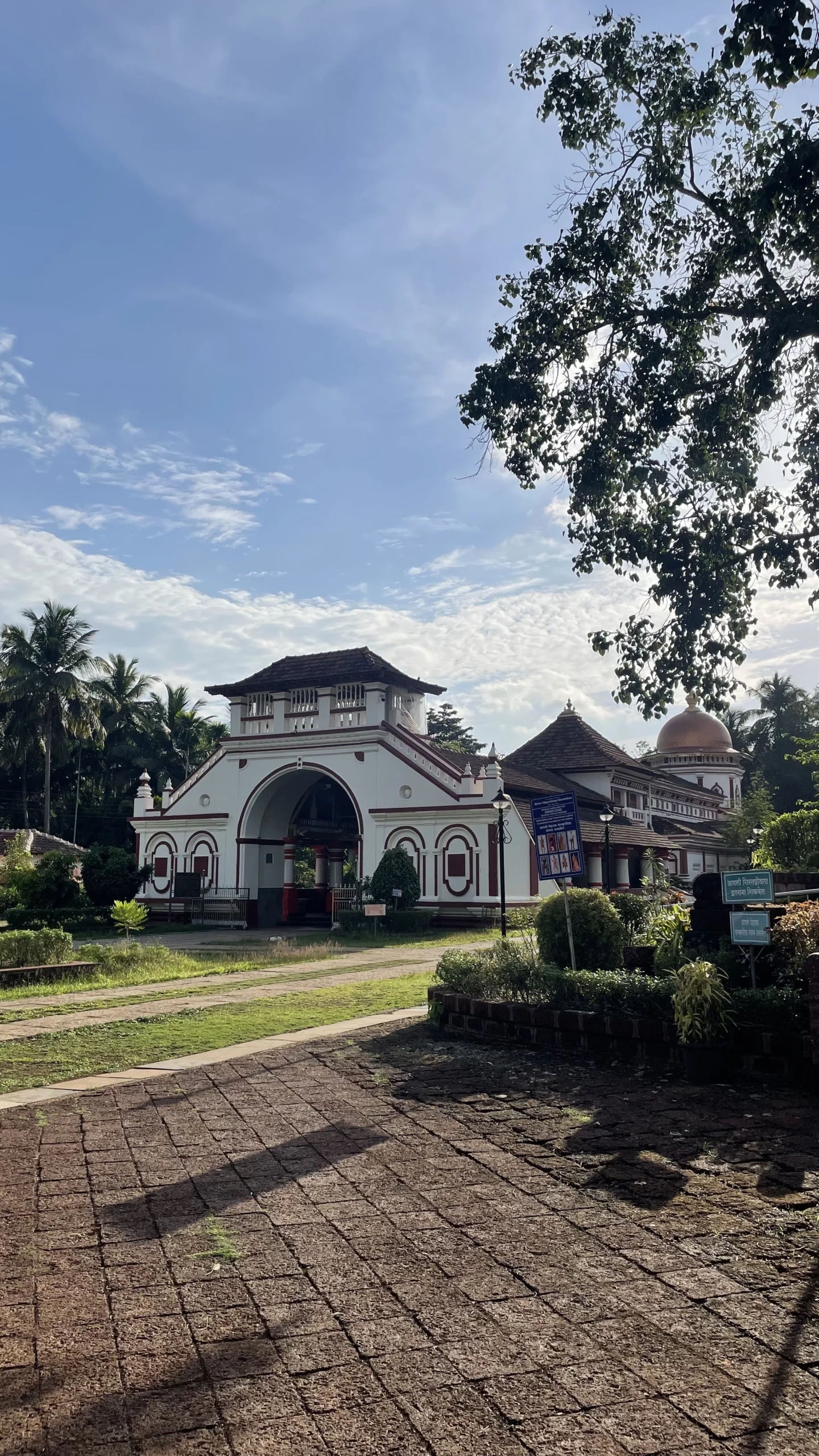
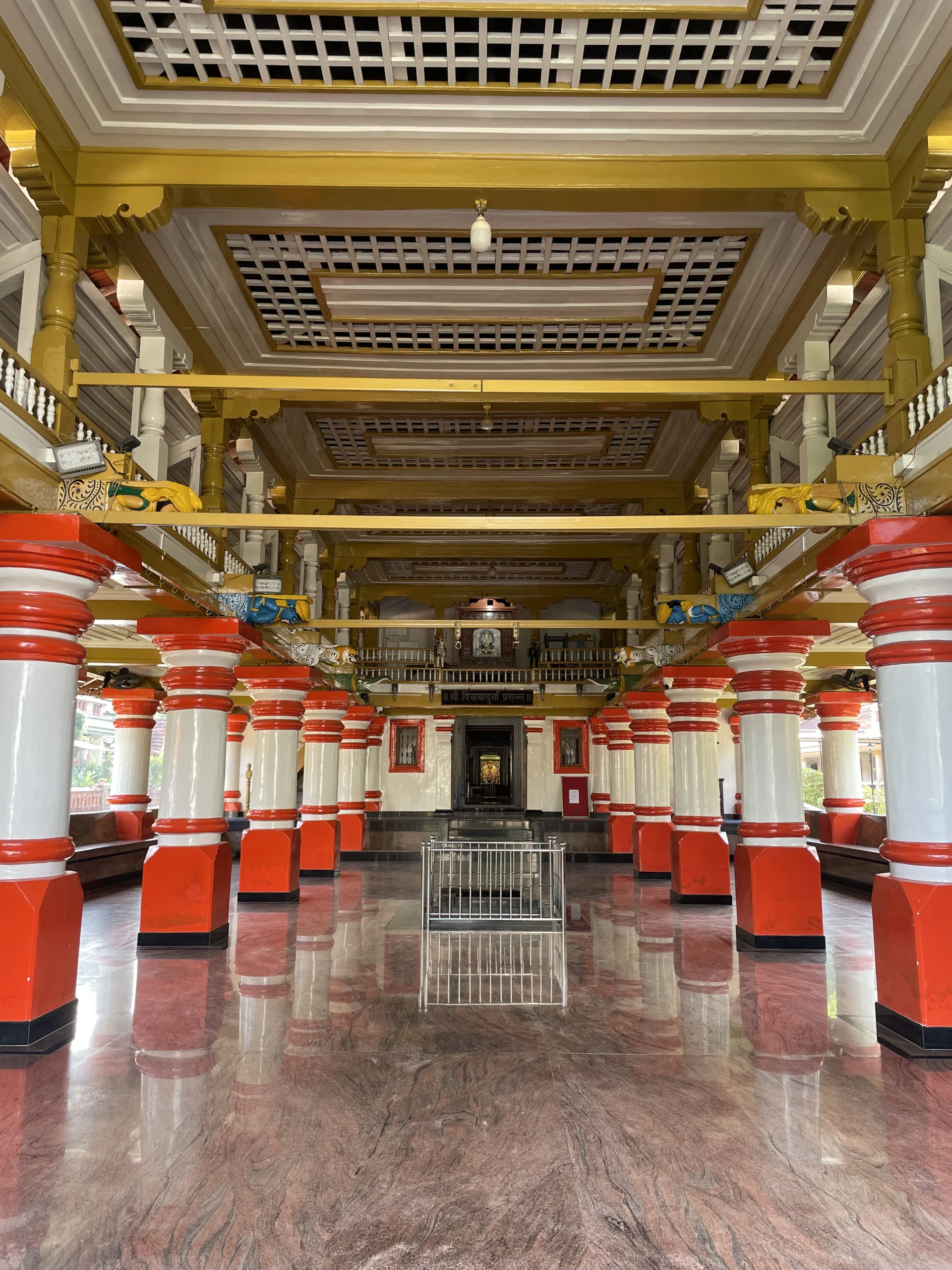
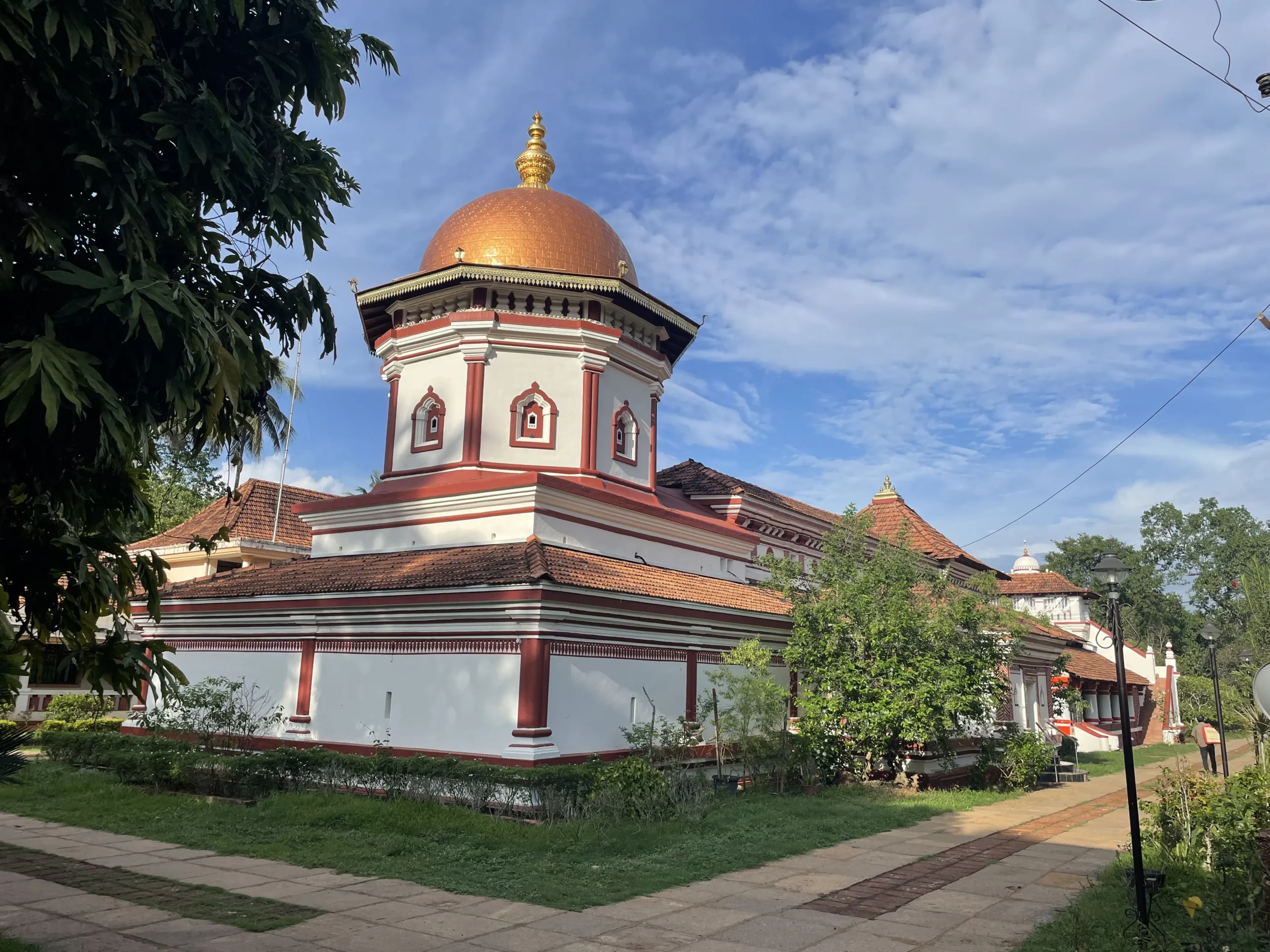
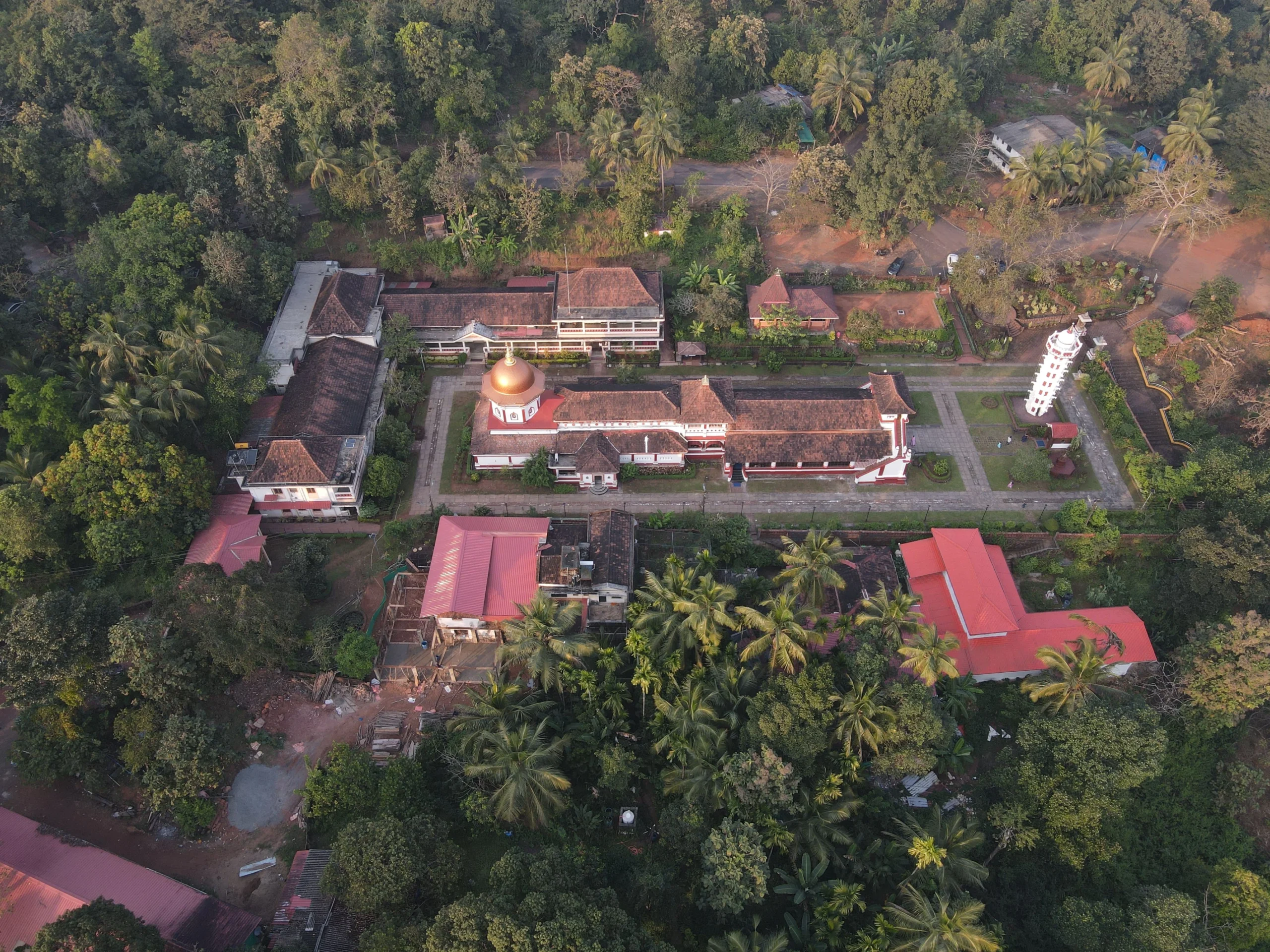
The temple features traditional Goan temple architecture with a distinctive Shikhara (spire), Sabha Mandap (assembly hall), and beautifully carved entrance.
Divine Sanctum
Sacred Spaces
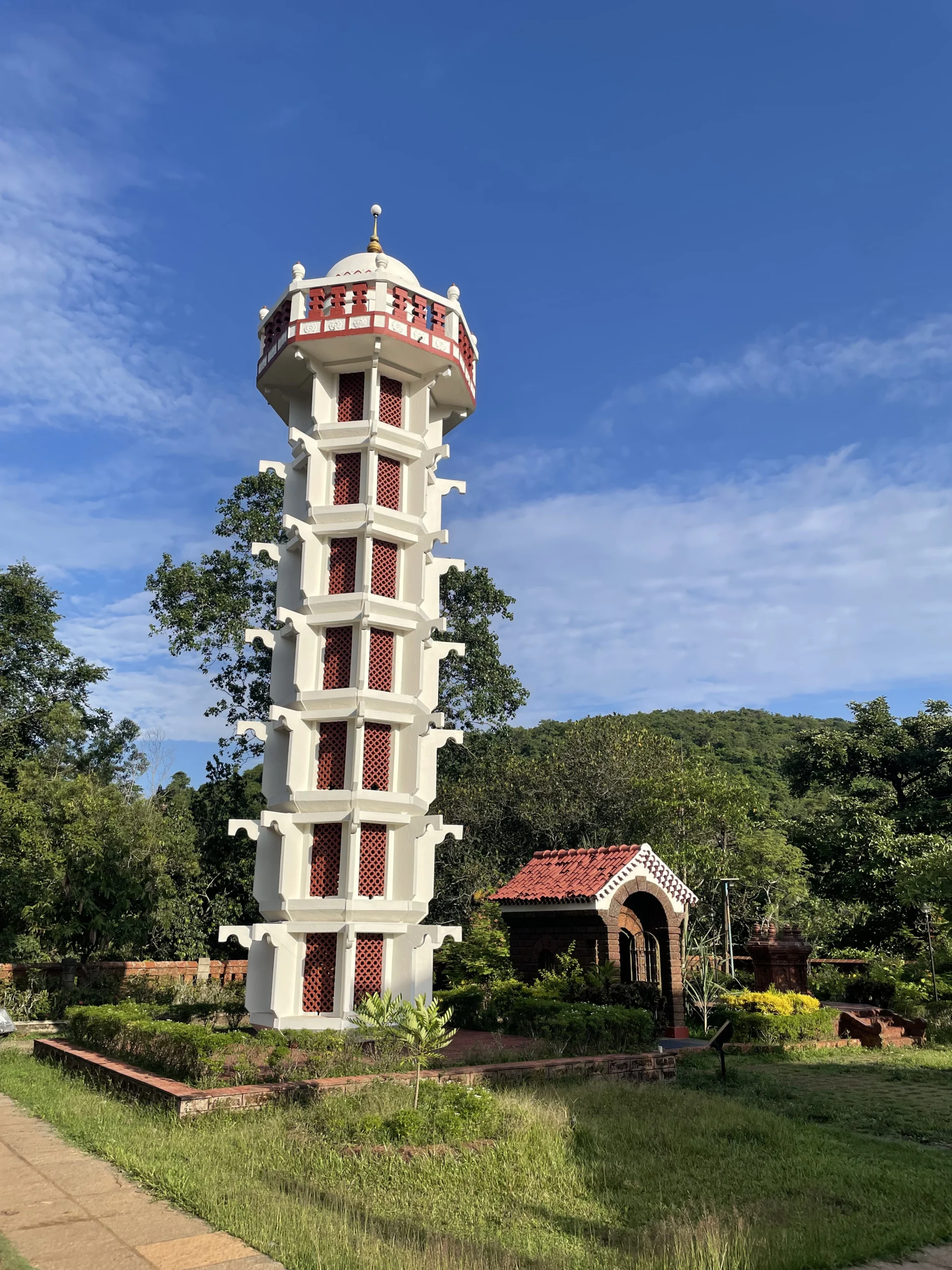
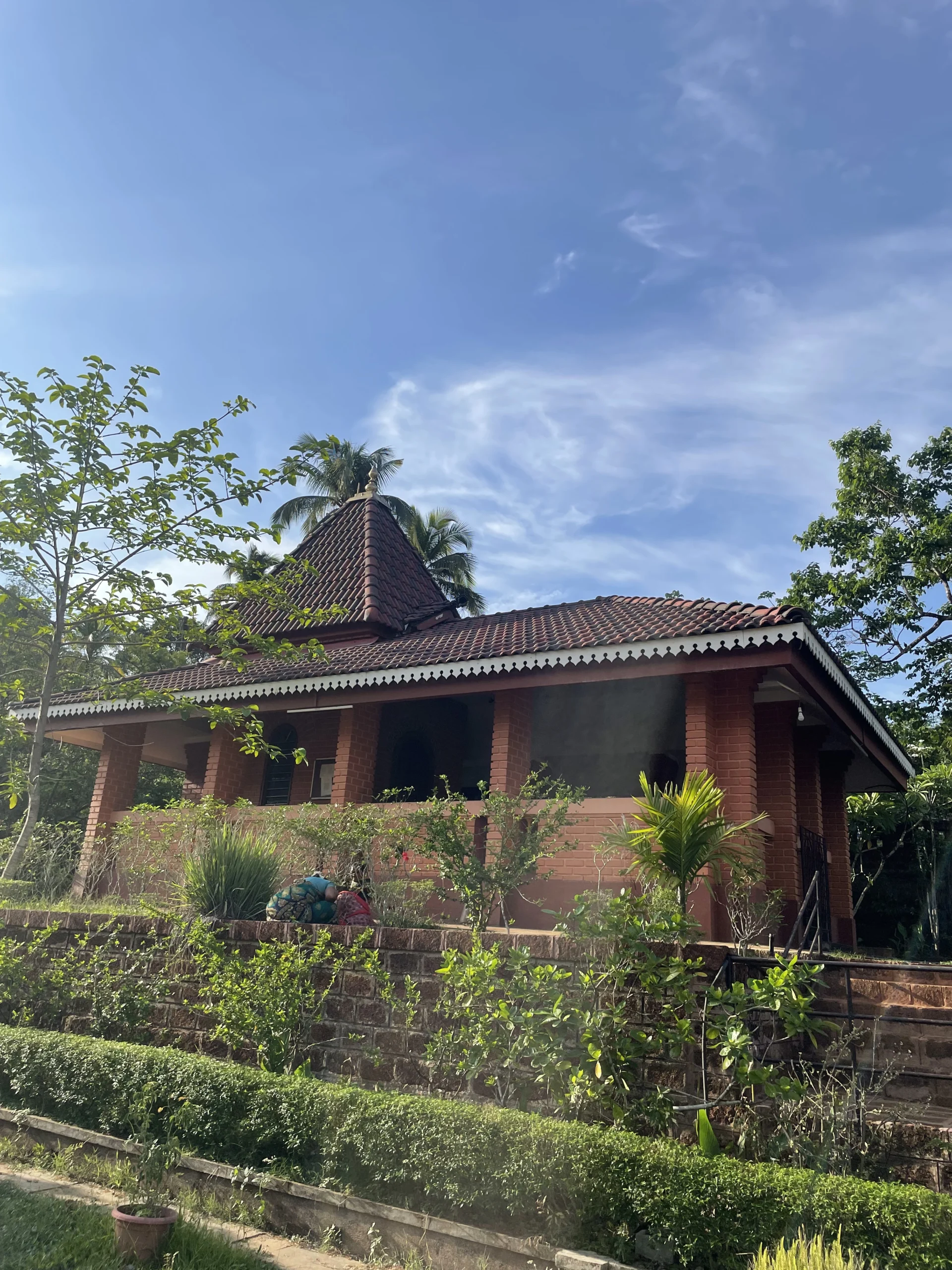
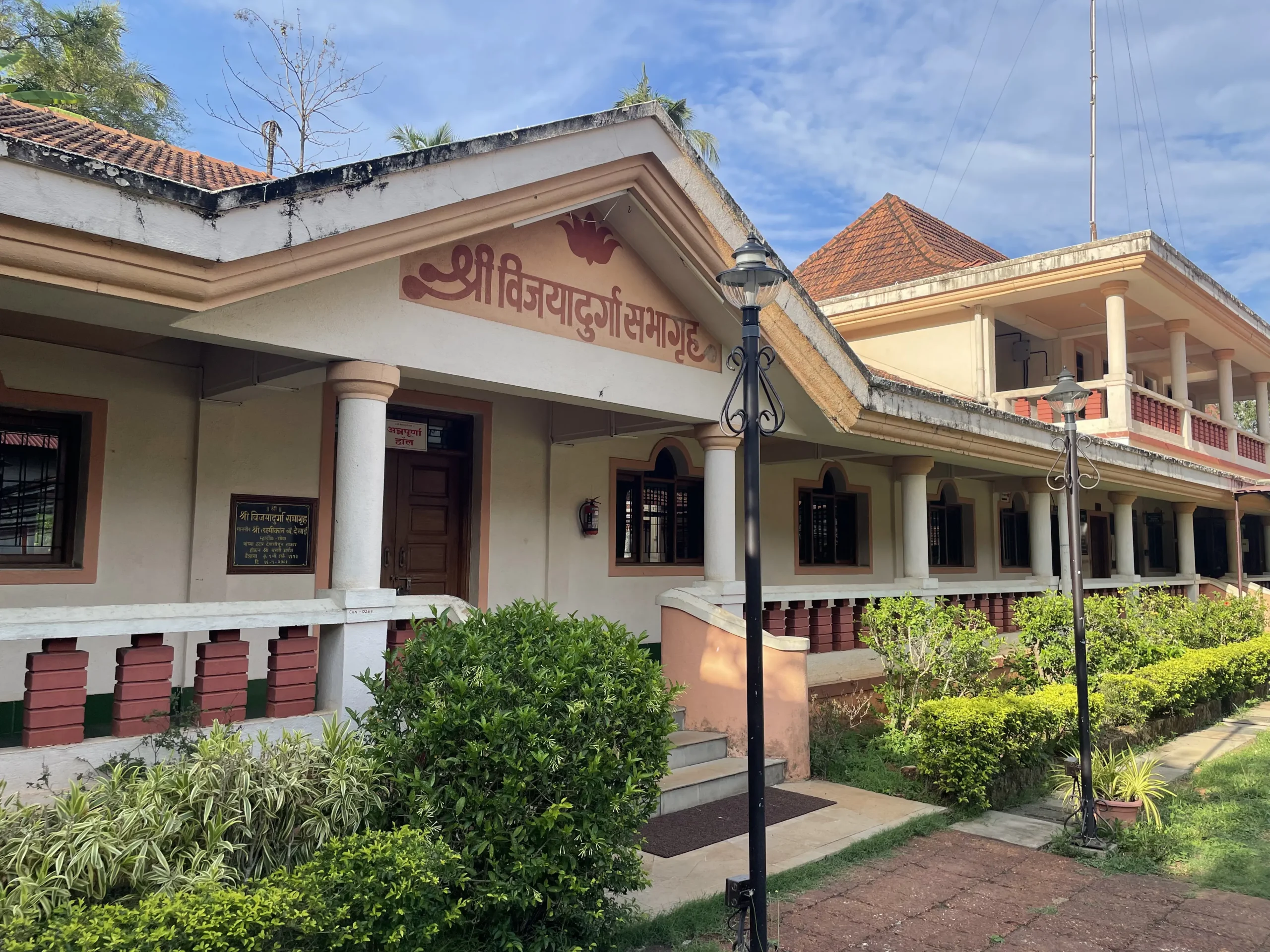
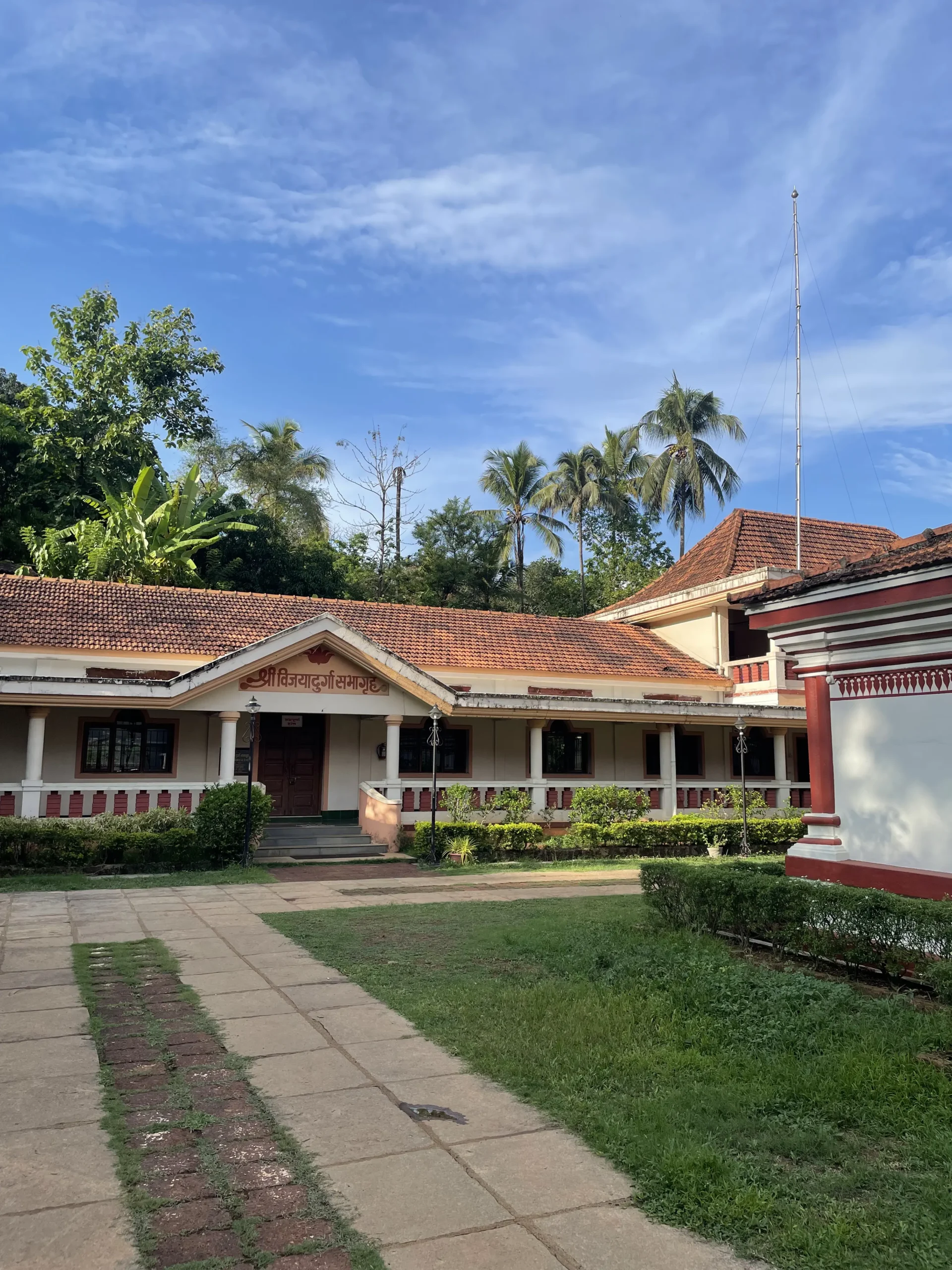
The temple complex includes the main temple, XX temple, dvipa stambha, annapoorna hall & accommodation; and spacious open areas for devotees.
Preserving Kaavi Art Legacy
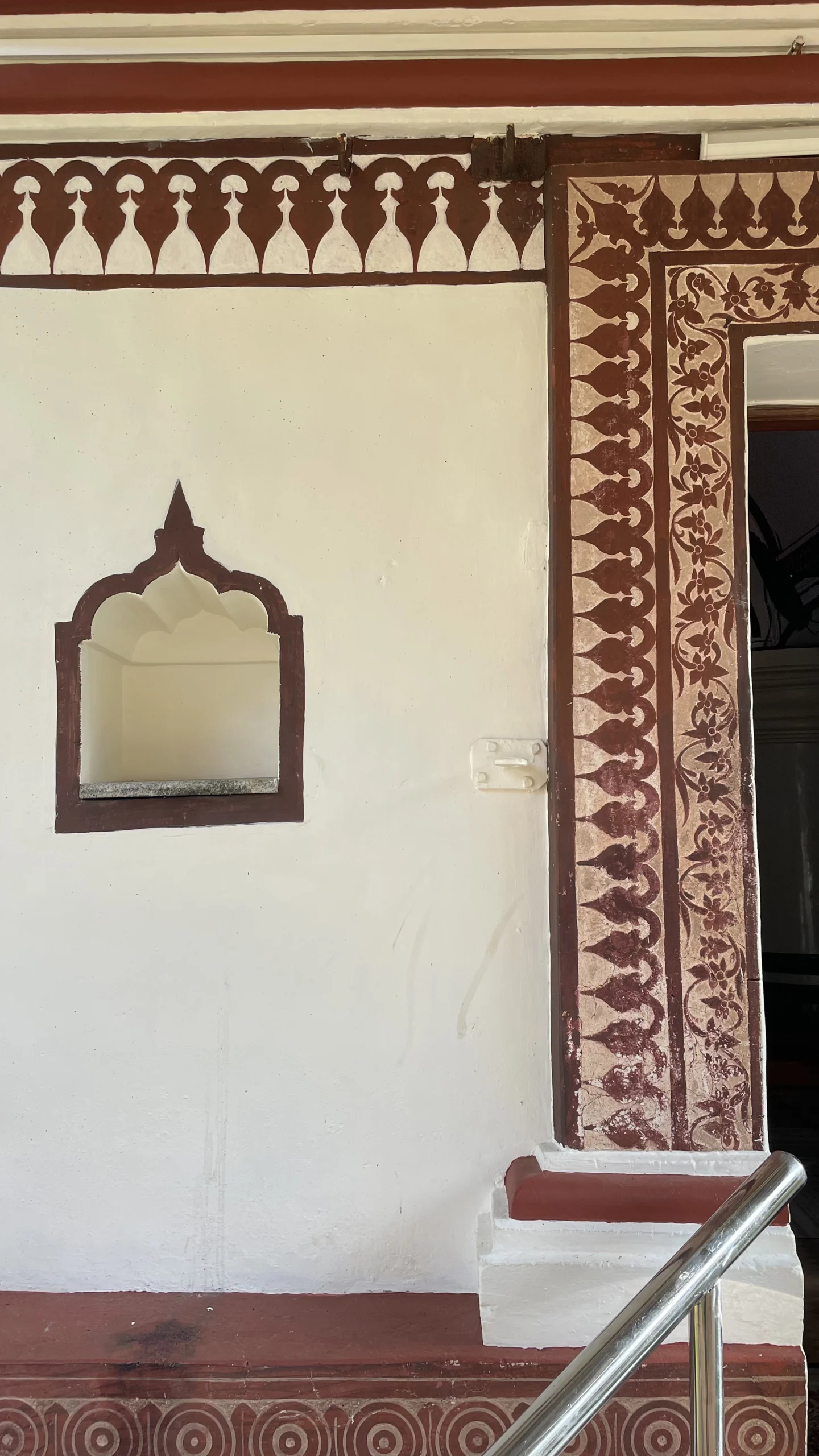
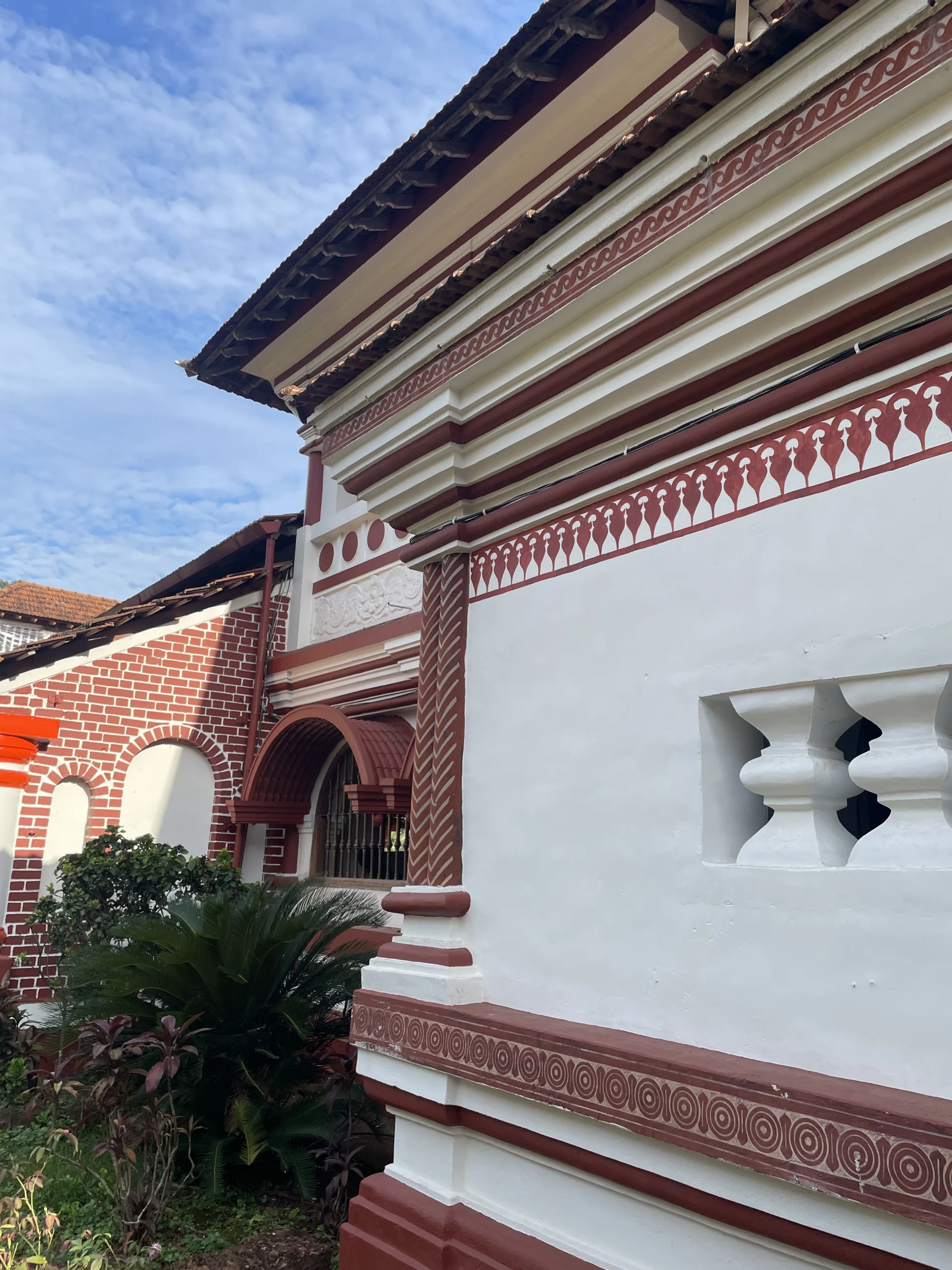
Deep red Kaavi murals grace the temple’s interiors & exteriors, showcasing Kavikala — an intricate art form once flourishing along the Goa-Karnataka coast. As one of the few temples preserving this nearly forgotten art, Vijayadurga Temple stands as a testament to Goan artistic heritage.
Artisans carve intricate patterns into wet red plaster using fine steel tools, exposing white lime beneath to create stunning red-and-white contrast murals.
What are you looking for?
The Shri Vijayadurga Saunsthan stands as a beacon of Goan Shaktism. Originally located in Sancoale, the deity was moved to the lush valleys of Keri to preserve our sacred traditions and Vedic rituals.
The temple is renowned for its Kaavi Art—the ancient Goan craft of reddish-brown murals—and its majestic Deepastambha, which lights up the evening sky during the annual Jatra.